In today’s fast-paced online world, digital marketing algorithms have become the backbone of how businesses connect with their audiences. These algorithms are sophisticated systems designed to filter through massive amounts of online content and deliver only the most relevant information to each user.
Whether it’s search engines like Google ranking websites, or social media platforms such as Facebook, Instagram, and TikTok curating feeds, algorithms control what people see, when they see it, and in what order. For businesses, this means visibility is no longer random—it’s strategically determined by how well their marketing aligns with these digital marketing algorithms.
Companies that fail to understand or adapt to these systems risk losing reach, engagement, and potential customers, no matter how good their product or service may be. On the other hand, marketers who stay informed about algorithm updates and tailor their strategies accordingly can achieve higher visibility, stronger customer engagement, and better conversion rates. This makes mastering digital marketing algorithms not just an added advantage, but an absolute necessity for thriving in today’s competitive digital landscape.
What Are Digital Marketing Algorithms?
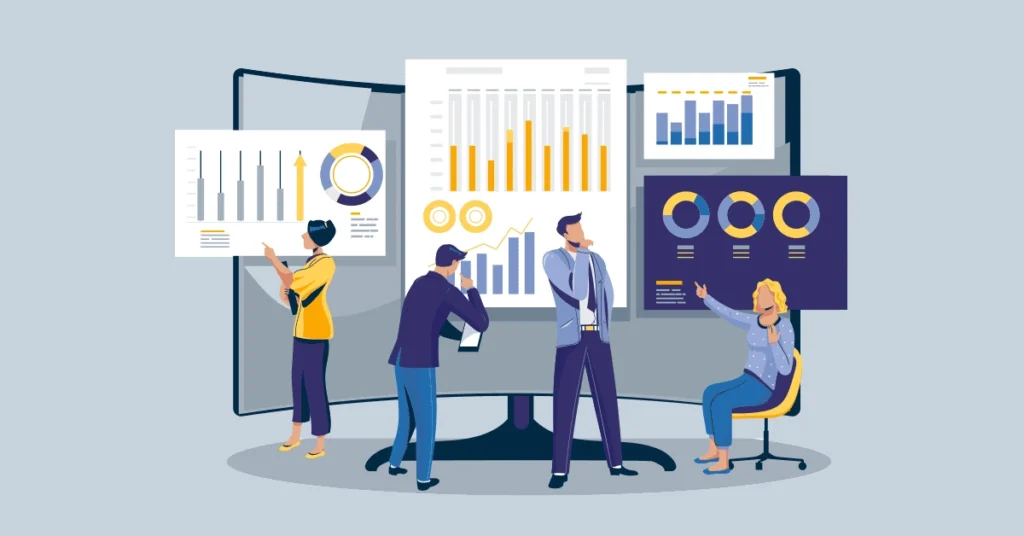
Digital marketing algorithms are advanced automated processes that power some of the world’s biggest platforms, including Google, Facebook, Instagram, and YouTube. Their main purpose is to sort, rank, and deliver content in a way that ensures users see what’s most relevant to them.
These algorithms don’t just work randomly—they analyze a variety of data points, such as user behavior, search history, engagement patterns, demographics, and even location. For example, if someone frequently searches for fitness tips, the algorithms will prioritize workout-related videos, ads, and articles in their feed. Similarly, if a user engages with a particular brand on social media, the algorithms will show more of that brand’s posts or ads in the future.
This data-driven personalization makes marketing far more effective because it places the right message in front of the right audience at the right time. For businesses and marketers, understanding how digital marketing algorithms function is critical to boosting visibility, increasing engagement, and driving conversions. Without this knowledge, even high-quality content risks being overlooked in the crowded online space.
How Algorithms Influence SEO
Search engines such as Google depend heavily on digital marketing algorithms to decide how websites are ranked in search results. These algorithms are designed to sift through billions of web pages and present users with the most accurate, relevant, and high-quality information in a matter of seconds. The ranking process isn’t random—it relies on multiple factors, including keyword relevance, content quality, backlinks from trusted websites, user experience, and technical aspects like mobile-friendliness and page speed.
For example, if a website has content that directly matches a user’s search intent, loads quickly on all devices, and is supported by authoritative backlinks, digital marketing algorithms are more likely to push it to the top of search results. For businesses, this makes search engine optimization (SEO) a critical strategy.
Mastering SEO means understanding how these algorithms evaluate websites and aligning content strategies accordingly—optimizing pages with targeted keywords, producing valuable and original content, improving site speed, and building a trustworthy online presence. When businesses align with the requirements of digital marketing algorithms, they significantly increase their chances of gaining higher visibility, attracting organic traffic, and ultimately converting visitors into loyal customers.
The Role of Social Media Algorithms
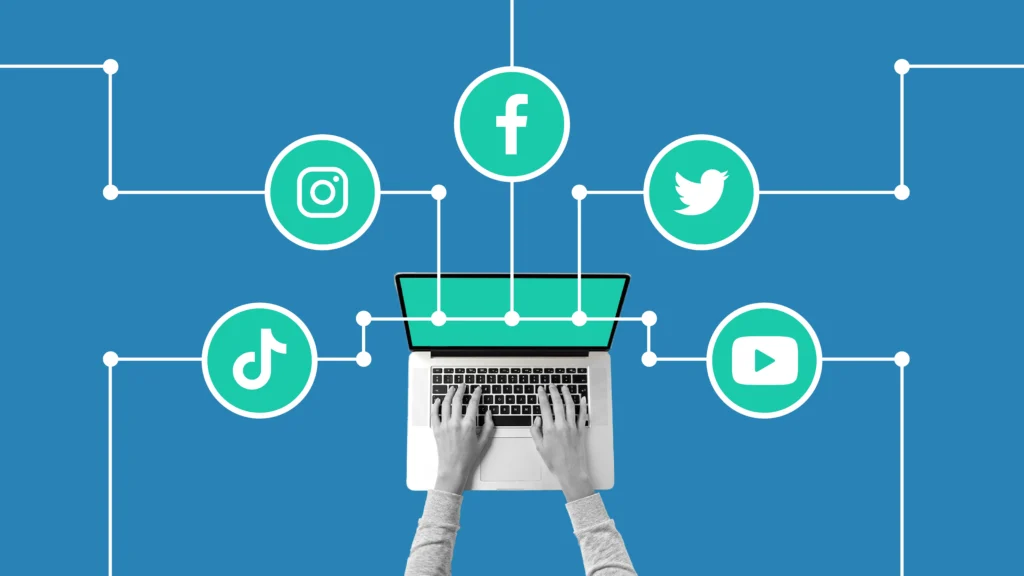
Social media platforms are built around one core objective—engagement—and their digital marketing algorithms are specifically designed to maximize the time users spend scrolling. Every action a user takes, from liking a post and commenting to sharing or watching a video, provides valuable data that algorithms use to personalize feeds.
This is why Instagram reels, TikTok videos, or LinkedIn posts feel so tailored to individual interests; the algorithms prioritize content that is most likely to capture attention and encourage interaction. For marketers, understanding these digital marketing algorithms is critical because it directly impacts visibility.
By studying how each platform rewards engagement, marketers can refine their strategies—choosing the right posting times when users are most active, experimenting with formats like short-form video or carousel posts, and using hashtags that boost discoverability. When done effectively, this approach helps content perform better in feeds, drives higher reach, and strengthens engagement. Ultimately, businesses that adapt their strategies to align with social media algorithms can build stronger brand awareness, grow their audience faster, and create lasting customer relationships..
Paid Advertising and Algorithms
When running paid campaigns, digital marketing algorithms play a vital role in determining every aspect of ad delivery, from placement and bidding strategies to precise audience targeting. These algorithms are powered by advanced machine learning systems that analyze vast amounts of user data—such as browsing history, demographics, past purchases, and engagement patterns—to ensure ads are shown to the people most likely to take action.
For example, Google Ads uses algorithms to match ads with relevant search queries, while Facebook Ads leverages audience insights to place ads in front of users whose behavior indicates strong buying intent. This means marketers don’t have to manually guess where their ads will perform best; instead, digital marketing algorithms optimize campaigns in real time by adjusting bids, testing ad creatives, and finding the highest-converting audiences.
For businesses, this not only increases the chances of reaching the right customers at the right moment but also helps maximize budget efficiency. A strong understanding of these algorithms allows marketers to fine-tune campaigns, reduce unnecessary spending, and achieve a higher return on investment (ROI). In short, mastering digital marketing algorithms in paid advertising is the key to creating cost-effective campaigns that deliver measurable growth.
Personalization Through Algorithms
One of the greatest advantages of digital marketing algorithms is their ability to create highly personalized experiences for users. In today’s digital space, customers expect more than generic ads or one-size-fits-all marketing—they want content that feels relevant to their needs and interests.
Digital marketing algorithms make this possible by analyzing massive amounts of user data, including browsing history, purchase behavior, demographics, and even the time of day someone is most active online. With this information, platforms can deliver tailored recommendations such as personalized emails, targeted product suggestions, or remarketing ads that remind users about items they previously viewed.
For instance, if a shopper abandons their cart on an e-commerce site, algorithms can trigger a follow-up ad or email showcasing that exact product, sometimes even with a discount, to encourage conversion. This level of personalization not only improves customer experience but also increases engagement, builds trust, and significantly boosts conversion rates. Businesses that harness the power of digital marketing algorithms for personalization often find their marketing campaigns become more cost-effective and impactful, as they are speaking directly to the right the right audience with the most relevant message at the perfect moment.
Adapting to Algorithm Changes
One of the greatest challenges for businesses and marketers is that digital marketing algorithms are constantly evolving. What works today may not necessarily work tomorrow, as platforms like Google and social media networks regularly introduce changes to improve user experience and maintain fairness. For example, Google rolls out multiple search algorithm updates each year, from small adjustments to major core changes that can greatly influence website rankings. Similarly, platforms like Facebook, Instagram, and TikTok continuously adjust their feed priorities, often favoring new formats such as short-form video or rewarding higher engagement rates. These shifts can dramatically affect how content is seen and how ads perform.
For marketers, this creates both a challenge and an opportunity. Staying informed about algorithm updates, tracking performance metrics, and quickly adapting strategies are essential to maintaining visibility and competitiveness. Those who ignore changes risk losing reach and traffic, while those who stay proactive and agile can refine their content, SEO practices, and social media strategies to align with the latest digital marketing algorithms. In today’s dynamic landscape, the ability to adapt to algorithm updates is what separates thriving businesses from those struggling to keep up.
Final Thoughts
At the foundation of every successful online strategy, digital marketing algorithms play a critical role in determining how content is discovered, who sees it, and how users interact with it. These algorithms act as gatekeepers across all digital channels, including search engines, social media platforms, and advertising networks, influencing visibility, engagement, and ultimately business growth.
For instance, SEO algorithms decide which websites appear at the top of search results, social media algorithms prioritize posts in users’ feeds based on relevance and engagement, and advertising algorithms optimize ad placements and audience targeting to maximize conversions. Understanding how these systems work allows businesses to craft smarter, data-driven campaigns that align with platform preferences, reach the right audience, and achieve measurable results.
For marketers, mastering digital marketing algorithms means continuously learning how changes in search ranking factors, social engagement metrics, and ad targeting rules impact performance, and adapting strategies accordingly. In today’s digital-first world, where online competition is fierce, those who can effectively leverage digital marketing algorithms gain a significant advantage—ensuring higher visibility, stronger audience engagement, and sustainable growth over time.
FOR MORE DETAILS jabira.in